From Innochem Wasser GmbH, Germany
BIO-R-95 High Performance Bioreactor
Biological wastewater treatment that actually uses the oxygen it is given. Up to 90% less BOD/COD in a single cycle, no excess sludge and no chemicals – on a fraction of the footprint of a conventional plant.
up to90%efficiency
- Oxygen utilisation
- 95%
- Conventional biology reaches 6–12%.
- BOD/COD reduction
- up to90%
- In one cycle – and up to 99% of BOD.
- Excess sludge
- Zero
- Nothing to press, dry, transport or incinerate.
- Lower energy cost
- 40–50%
- Compared with conventional systems.
The technology
The only bioreactor in the world with 95% oxygen utilisation
BIO-R-95 is a high-performance aerobic bioreactor, developed in Germany more than 20 years ago by biomedical experts specialised in bioreactor technology. Today it works in more than 150 wastewater treatment plants.
In conventional biology the bacteria form large flakes. Only the outer layer gets oxygen; the core turns anaerobic, works slowly and causes odour. BIO-R-95 keeps the biomass in many small, round flakes that are aerobic all the way through – so the bacteria use up to 95% of the oxygen supplied instead of 6–12%.
That jump in biological power is what makes everything else possible: loads of up to 15 kg BOD/COD per m³ per day, retention times of minutes instead of hours, and no excess sludge. Even wastewater with a COD level above 5,000 ppm can be treated with this aerobic process.
Use it to upgrade an existing installation, or as the leading technology in a new treatment plant.
- Large flakes – only the outer layer is aerobic
- Anaerobic core, odour issues
- 6–12% oxygen utilisation
- Many small, round flakes – large total surface
- Completely aerobic, no odour
- 95% oxygen utilisation
Proven technology
- Developed in Germany Made in the EU
- Over 150 sites with monitoring system
- A few hundred systems sold worldwide since 2000
Unique features
-
90% less BOD/COD in one cycle
Up to 15 kg of BOD/COD removed per m³ of reactor volume, every day.
-
No excess sludge
No need to de-sludge, or to press, dry and transport excess sludge.
-
No chemicals needed
A purely biological process – and odour-free in operation.
-
Small footprint
Needs only about 10–20% of the space of a conventional plant with large basins.
-
Flexible, modular, scalable
Flexible assembly for different sites and scenarios. Install in phases and add towers as you grow.
-
Less energy consumption
Cuts energy cost by up to 40–50% compared with conventional systems.
Side by side
BIO-R-95 vs. conventional treatment
The same job, measured against conventional biological wastewater treatment.
| Criterion | BIO-R-95 | Conventional |
|---|---|---|
| BOD/COD reduction | Up to 90% | Up to 60% |
| Volumetric load | Up to 15 kg BOD/COD per m³ per day | Up to 350 g BOD/COD per m³ per day |
| Oxygen utilisation | Up to 95% | 6–12% |
| Biomass (MLSS) | 12–15 g/l | 4–7 g/l at most |
| Chemicals | None required | Used as required |
| Excess sludge | None to dispose of | Has to be disposed of |
| Installation area | Very small | Large |
| Odour | Odour-free operation | Offensive odours |
| Energy cost | 40–50% lower | High |
| Expansion | Modular, scalable, expandable | Fixed, no expansion capability |
| Hydraulic retention | 45 to 180 minutes | 18–24 hours |
| Activation time | 24–48 hours | 3–10 days or more |
| Investment | Can be installed in phases | Fixed, huge upfront cost |
| Maintenance | Very minimal | High |
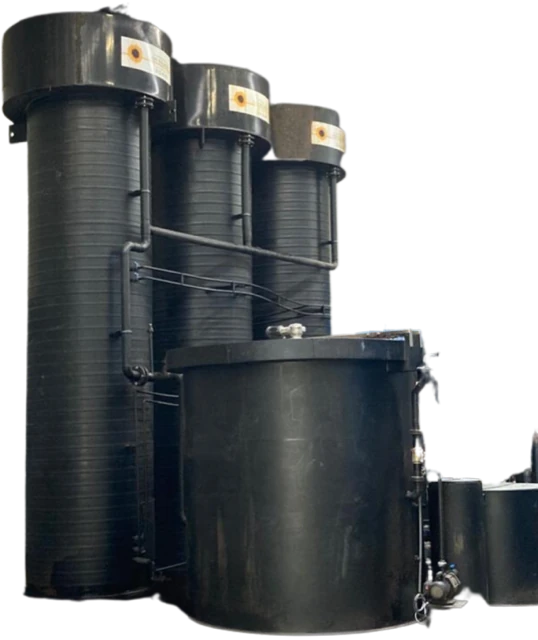
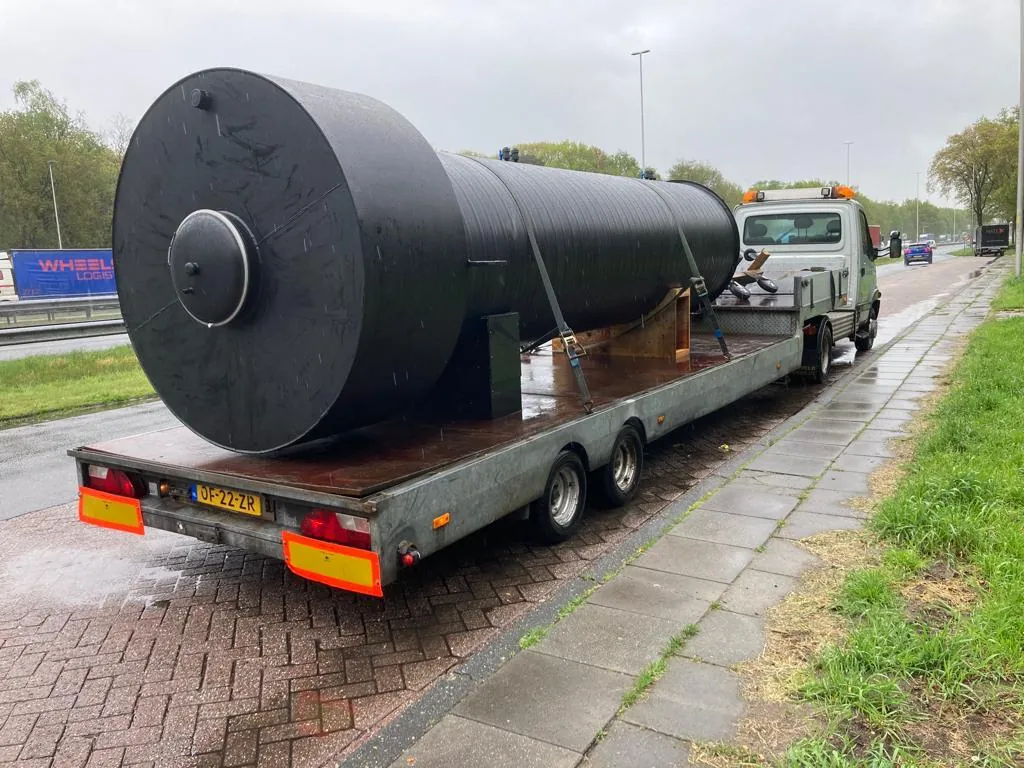
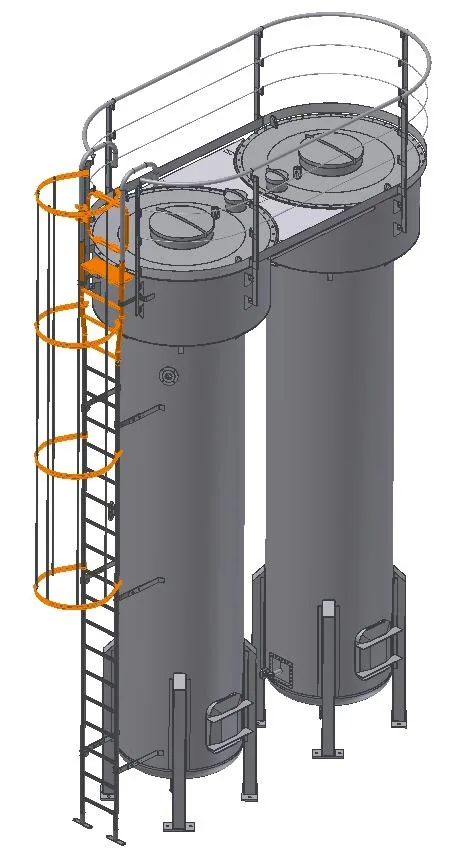
Standard reactor size: 6 m high × 1.8 m diameter (top). Volume: 7.6 m³ per tower.
How a plant is built up
From influent to reusable water
A typical BIO-R-95 line. Every plant is engineered for the wastewater it has to treat, so the stages around the reactors vary.
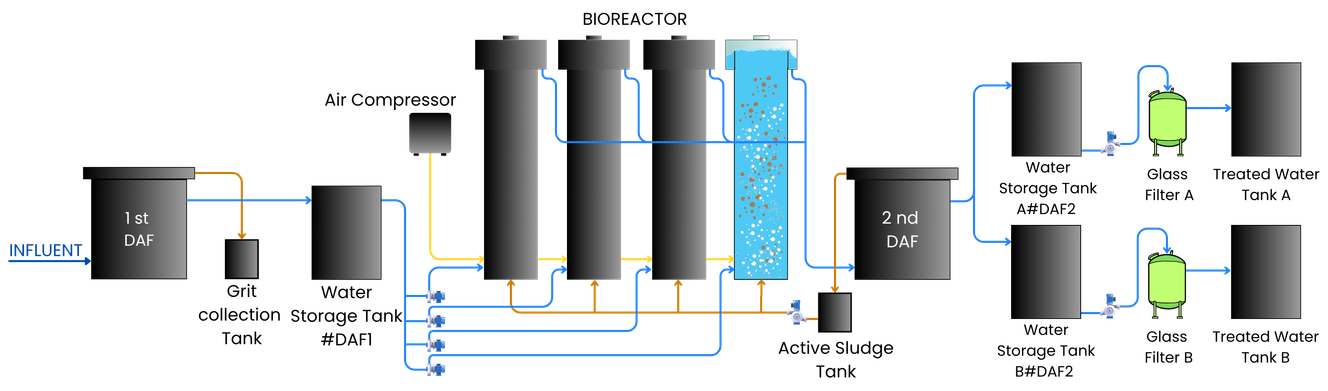
Swipe sideways to see the whole diagram.
Pre-treatment
The influent passes a first flotation unit (DAF); grit is collected separately.
Buffer
A storage tank evens out the flow and feeds the reactors.
Bioreactors
Towers in series, supplied with compressed air and recirculated active sludge, break down BOD/COD.
Polishing
A second flotation unit and glass filters remove what is left.
Treated water
Ready to be reused on site or discharged.
Applications
Excellent wherever wastewater has to be treated, reused or discharged
-
Industrial wastewater
Different industries produce wastewater with very different levels of contamination – often more than a municipal plant can take. Treat it with high-performance biology on your own premises, recycle the water internally and save enormous costs.
-
Municipal wastewater
Speeds up sewage treatment many times over, avoids sewage sludge and needs very little space – ideal where land is expensive or there is no room for large basins.
-
Slurry and livestock manure
Breaks down surplus slurry on site (nitrification/denitrification of the liquid phase), so farms meet strict spreading limits without paying for removal.
-
Hotels and resorts
An in-house plant without unpleasant odours where the local sewage works has no capacity left – or does not exist. The treated water can be used for outdoor irrigation.
-
Ports and ships
Maritime wastewater in ports and on board ships. The technology is IMO certified.
-
Oil industry
Removes dissolved oil, emulsions and BTEX components from produced water – ideal ahead of UF/RO membrane filters.
-
Pharmaceutical industry
Removal of antibiotics from pharmaceutical wastewater.
Cost reduction
Reduce your ongoing operating costs with a one-off investment in the future.
Independence
Solve the problem on site and depend less on external requirements, regulations and costs.
Environmental protection
Investing in innovative concepts today spares you surprises tomorrow – and protects the environment.
Engineering
Built to run around the clock
The flow a BIO-R-95 plant can treat per day is unlimited: the system is modular and easily expanded, tower by tower.
- Height
- 6 m
- Diameter (top)
- 1.8 m
- Volume per tower
- 7.6 m³
HDPE construction
Made of high-quality HDPE with a lifetime of at least 20 years.
Fully automatic
Operated and controlled by Siemens software.
Continuous monitoring
Oxygen level, TSS, COD, pH and temperature are measured and controlled all the time.
Low maintenance, 24 hours a day
Top-quality pumps and sensors keep the plant running day and night.
Protects your membranes
Lower BOD/COD levels prevent biofouling and extend the lifespan of RO/UF membranes.
Way of working
From laboratory analysis to a running plant
Analysis
We start from a detailed laboratory analysis of your inlet water and the values you need to reach after treatment.
Site visit
If BIO-R-95 is to be built into an existing treatment process, our engineers prefer to see the site as well.
Sizing and cost
Our engineers calculate the reactor dimensions you need and a realistic capital cost for the project, and discuss both with you.
Start-up and support
Each installation is activated and supported by our team of experienced engineers and local partners.
Good to know: have your wastewater analysed in advance (BOD/COD) – then we can help you competently from the very first conversation.
Frequently asked questions
How do high-performance bioreactors work?
They use microorganisms under a concentrated supply of air to break down the solids and contaminants in the wastewater.
Is the reactor suitable for every kind of wastewater?
We find a tailor-made solution for almost any wastewater. It starts with a basic engineering study: from the data collected we develop the right technology and concept and present it in the detailed engineering, on the basis of which the complete plant is put together and built. We do not offer off-the-shelf solutions.
What happens to the sludge?
The sewage sludge that conventional plants have to dispose of at high cost is almost completely degraded biologically within the process.
How much maintenance does a plant need?
The plants are highly automated and need relatively little maintenance. Certain parameters and readings still have to be checked regularly and readjusted if necessary to keep operation smooth.
How much space does it take?
Only about 10–20% of the space of a conventional treatment plant with its large settling and clarification basins.
Will the plant meet environmental regulations?
Yes. After a precise analysis of the water in the basic and detailed engineering, each plant is designed to meet all requirements and regulations – and to exceed them where possible. A very precise analysis up front is what counts.
Gallery
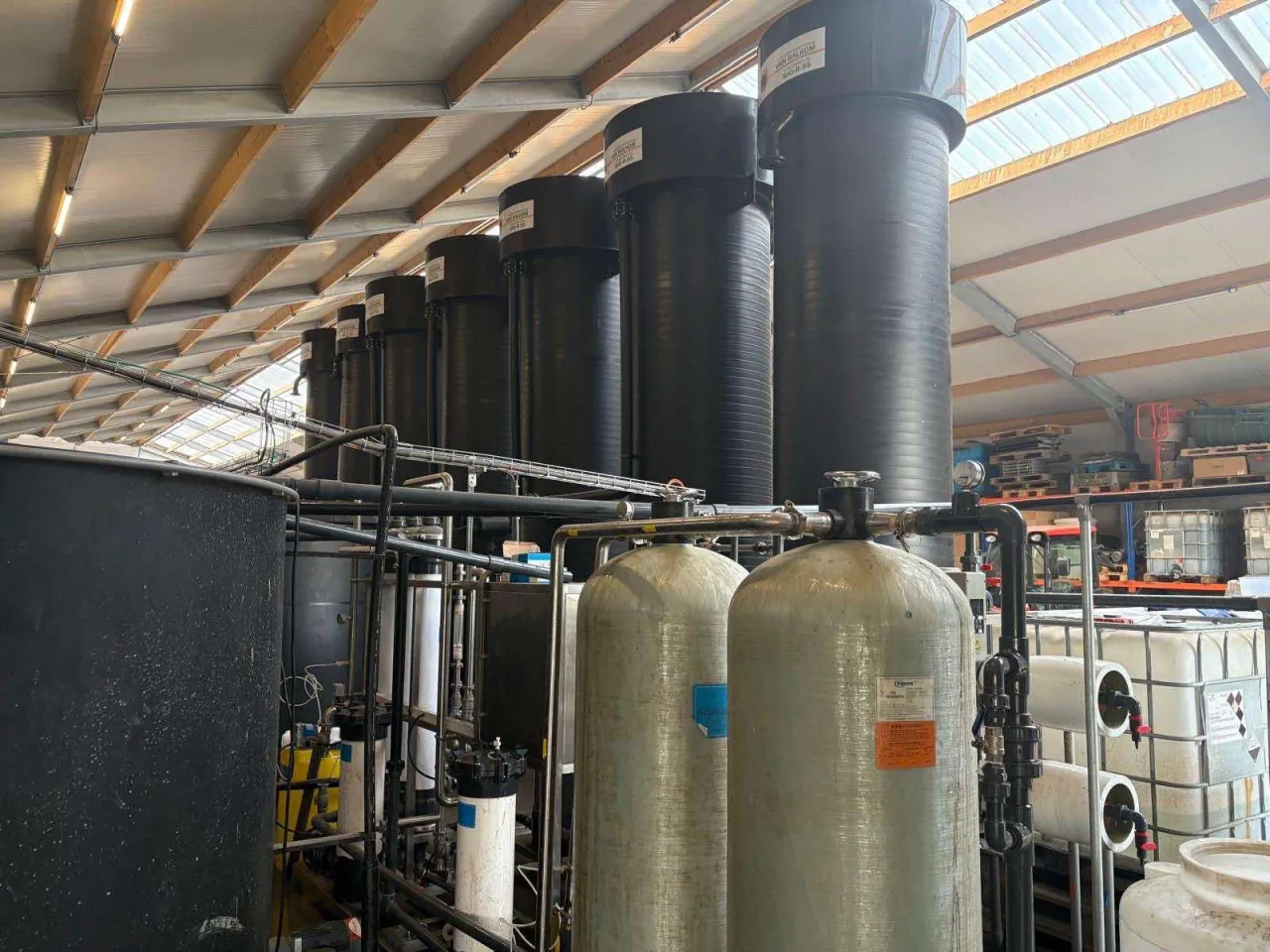
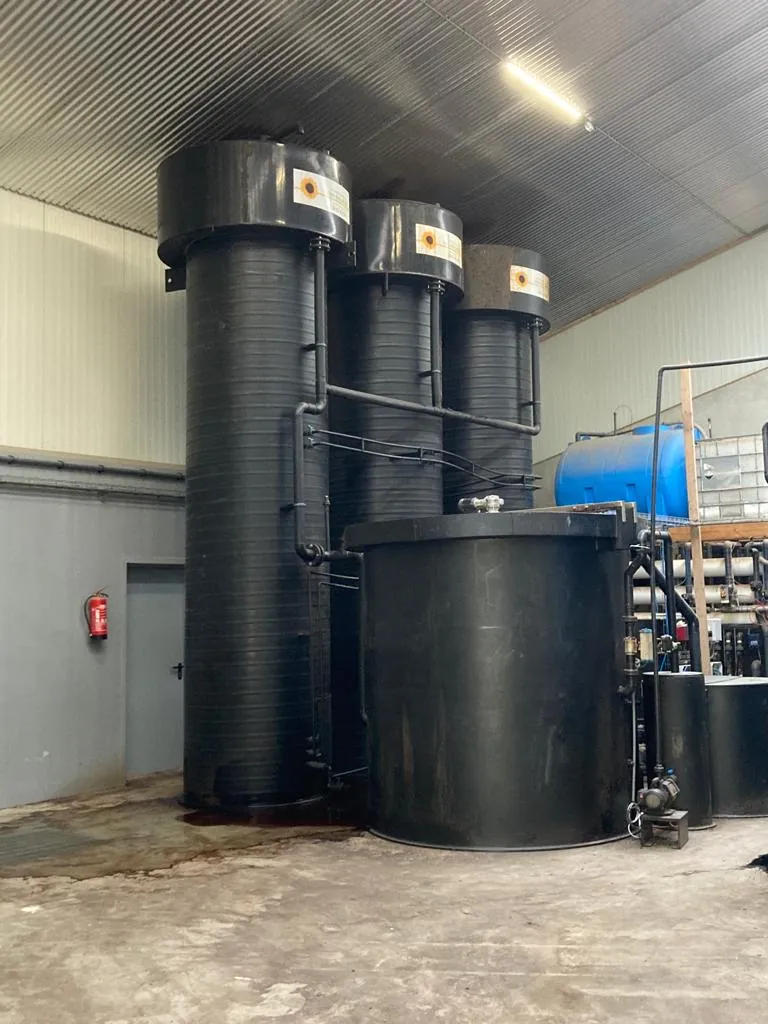
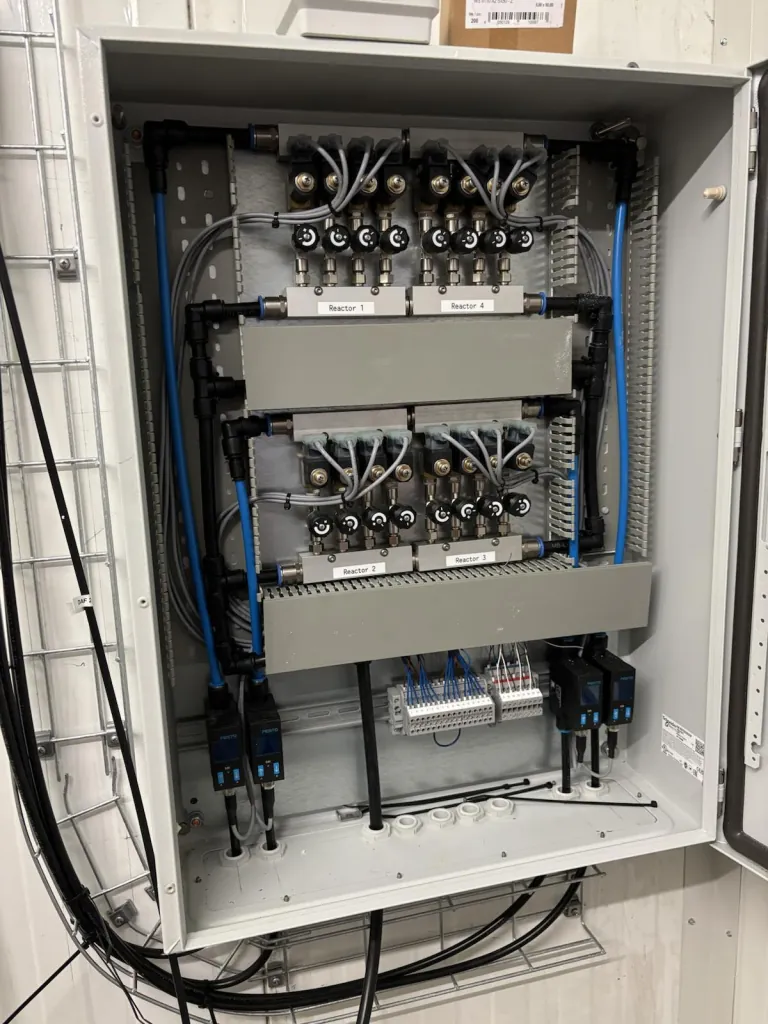
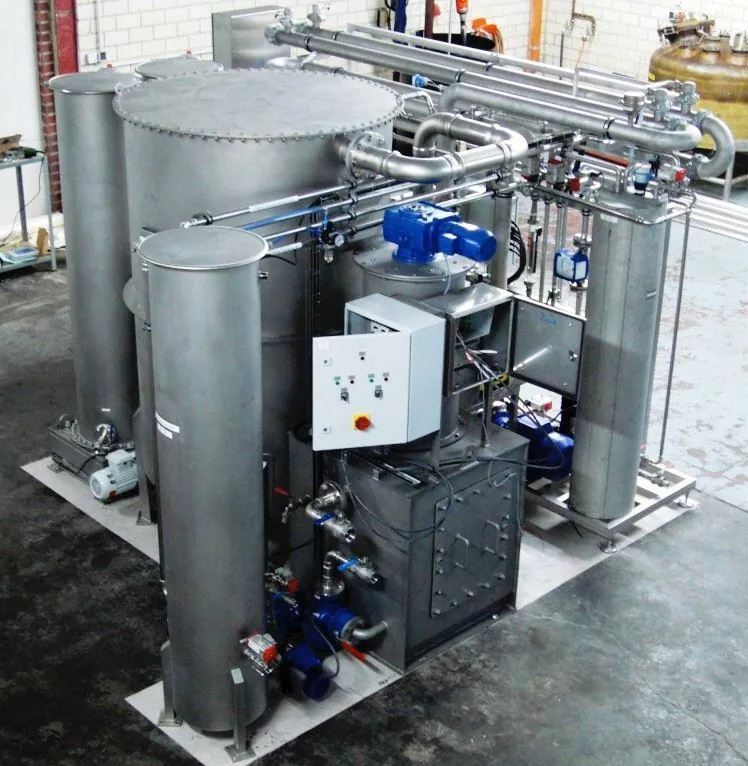
BIO-R-95 in the field
Who we are
Specialists in biological water treatment since the 1990s
Innochem Group Ltd is closely linked to Innochem Wasser GmbH in Germany. Our bio-engineers and technical engineers are highly specialised and experienced in the biological treatment of (waste)water.
The head of our engineers has a background at DuPont, where he was involved in developing bioreactor technology for the manufacture of pharmaceutical products. In the nineties he started to use this technology in wastewater treatment – and saw excellent results. Many installations are treating municipal and industrial wastewater with it today.
- 1990s
Bioreactor technology from pharmaceutical production is first applied to wastewater treatment.
- 2000
Worldwide sales begin. A few hundred systems have been delivered since, most of them built by steel construction companies in Germany.
- 2022
The same reactor is now manufactured in top-quality HDPE with a lifetime of more than 20 years – at an unprecedentedly low capital cost.
- Today
The technology works in more than 150 wastewater treatment plants.
We are convinced that this makes high-quality water technology accessible to all countries – and helps to solve the scarcity of clean water on our planet.
Contact
Get in touch with our specialists
Questions, a project in mind, or interested in an international partnership for this bioreactor technology? Write to us – we try to get back to you within one business day.
info@bior95.com- +49 163 6390999
+359 885 011 106 - info@bior95.com
- Lange Strasse 25
27580 Bremerhaven, Germany - Monday – Friday, 09:00 – 17:00
Saturday and Sunday closed
International partners
- Germany Innochem Wasser GmbH Lange Straße 25, 27580 Bremerhaven info@innochem-online.de +49 177 4121752
- Netherlands Handelsonderneming Van Balkom Zeshoevenstraat 13, 5056 PG Berkel-Enschot johan@balkom.eu +31 6 11126456
- Bulgaria Chemoxide Kumata str. 77E, Office 8, Sofia info@chemoxide.bg +359 885 011 106
- Thailand Hydro Bio Co., Ltd. 19/66 Moo 10, Paholyothin Road, Tambol Klong Nueng, Ampur Klong Luang, Prathumthani 12120 info@hydro-bio.com +66 2 908 1808-9
- Poland Local partner +48 698 428 314